
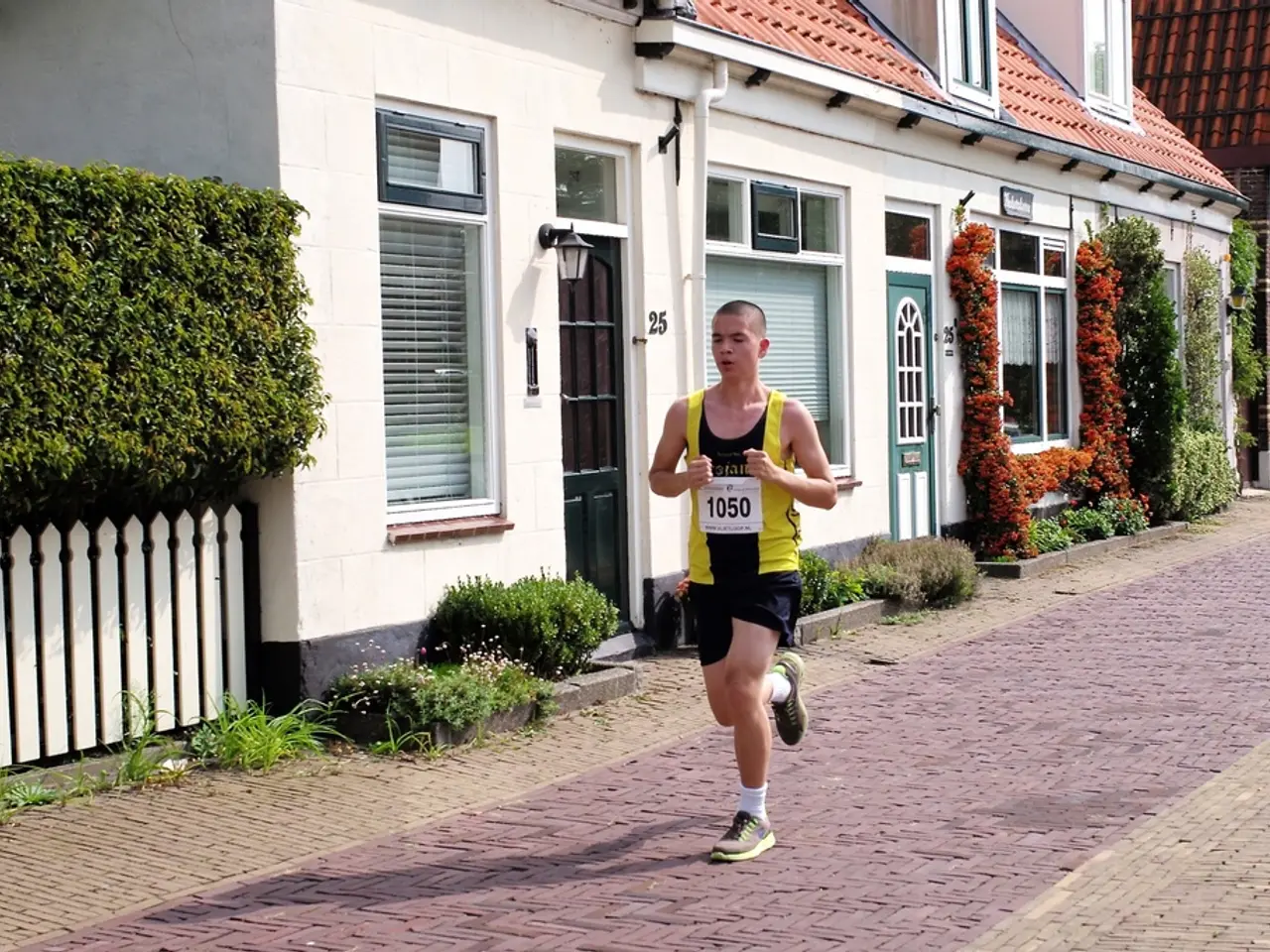
A dilemma about whether symptoms are due to exercise-induced asthma or lacking physical fitness.
In the world of physical activity, it's not uncommon for individuals, even those in peak physical condition, to experience breathing difficulties during exercise. However, these symptoms might not always be related to a lack of fitness. One such condition that often goes unnoticed is Exercise-Induced Asthma (EIB).
What is Exercise-Induced Asthma?
EIB is a condition that causes the bronchial tubes to narrow during physical activity, leading to symptoms such as wheezing, coughing, and difficulty breathing. It affects people with and without regular asthma, and exercise is a common trigger.
Diagnosing EIB
Doctors use two tests to diagnose EIB: spirometry and bronchial provocation tests. Spirometry measures the amount of air a person can breathe in and out, while bronchial provocation tests expose the lungs to an asthma trigger and use spirometry to see how the lungs react.
Identifying EIB
EIB can be differentiated from being out of shape primarily by the presence of specific asthma-like symptoms triggered by exercise. Symptoms tend to get worse when a person is around other triggers, such as allergens, and continue for 10-15 minutes after a workout ends. People who are simply out of shape generally experience gradual shortness of breath and fatigue that improve with conditioning but do not have these distinct respiratory symptoms.
Managing EIB
For those diagnosed with EIB, strategies like warming up slowly, avoiding exercising in cold, dry air, and avoiding allergens can help reduce symptoms during exercise. In some cases, medication may be required, such as short-acting beta-2 agonists, long-acting beta-2 agonists, or daily asthma medications like montelukast.
Prevalence of EIB
A 2018 paper estimates that about 10% of the general population have EIB. People with asthma are significantly more likely to have EIB, for many individuals with asthma, exercise is a trigger for asthma attacks.
Implications for Athletes
Competitive athletes should be careful when taking prescription medications for EIB, as they may return a positive test for performance-enhancing drugs (PEDs). In such cases, athletes should consult a doctor to discuss the possibility of a therapeutic use exemption.
In conclusion, while exercise and physical fitness are crucial for overall health, it's essential to be aware of the potential complications such as EIB. Recognising the signs and seeking professional help can help manage the condition effectively and ensure a healthy and active lifestyle.
- Exercise-Induced Asthma (EIB) can cause coughing and difficulty breathing during physical activities, which may lead some individuals to mistakenly believe they are out of shape.
- Individuals with Exercise-Induced Asthma might experience asthma-like symptoms, such as wheezing and persistent shortness of breath, even after a workout, which are not usually associated with being out of shape.
- Management of Exercise-Induced Asthma involves avoiding triggers like cold, dry air and allergens, slow warm-ups, and in some cases, medication like short-acting beta-2 agonists or montelukast.




