
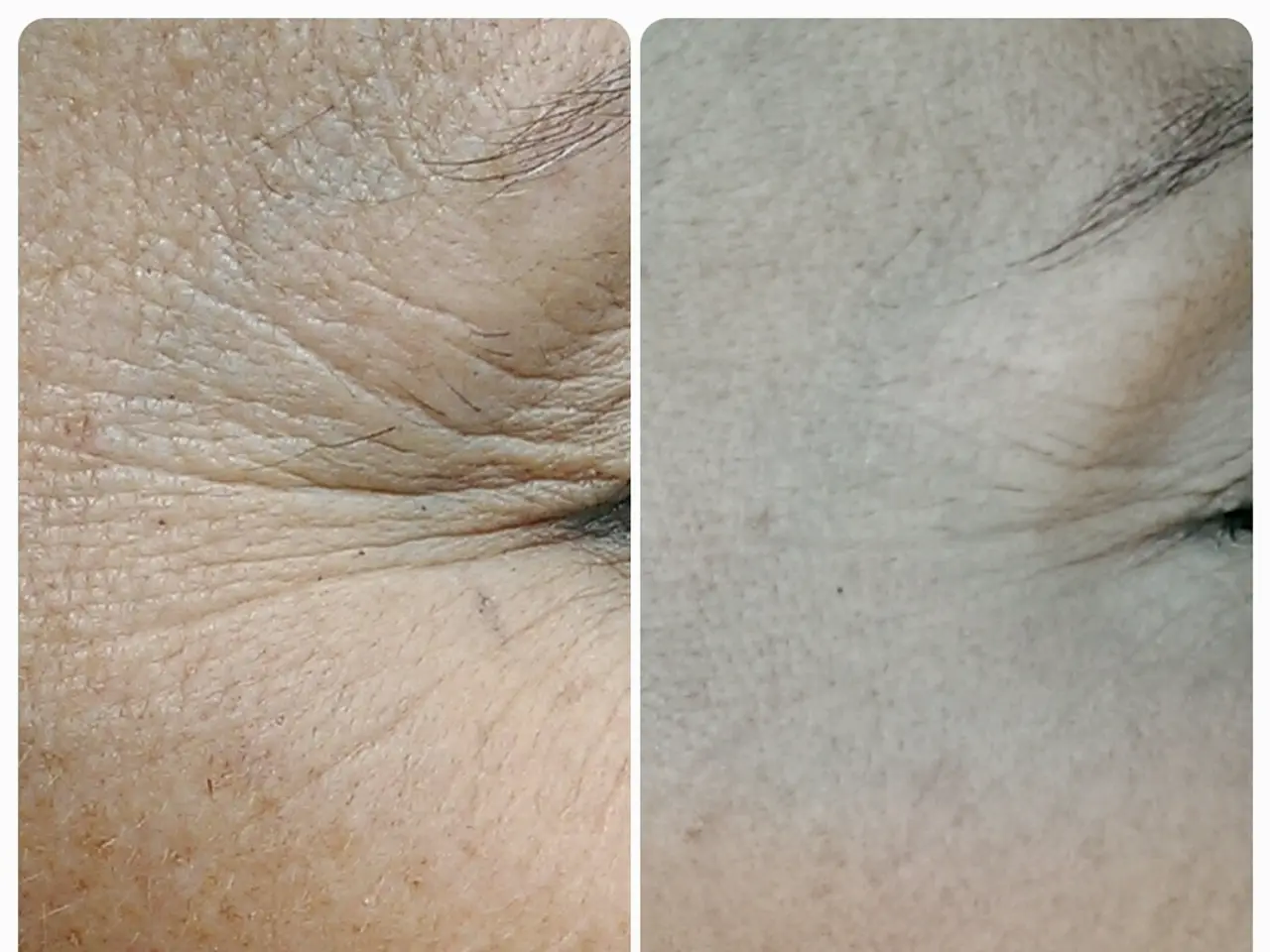
Exploration of Dermatological Sciences, Focused on Skin Wellness
For many people, the concept of dermatology might seem unfamiliar, but understanding this medical specialty can be crucial for maintaining healthy skin. Dermatologists are the medical professionals who focus on skin, hair, and nail health, playing a vital role in diagnosing and treating various conditions that can affect our appearance and overall well-being.
Common Skin Conditions Treated by Dermatologists
Dermatologists have the expertise to diagnose and manage a wide range of skin conditions, from common ones like dermatitis to more complex cases such as skin cancer. Some of the most common conditions treated by dermatologists include:
- Scleroderma: An autoimmune disorder that causes the skin to harden and thicken, particularly on the hands and face.
- Cutaneous Vasculitis: An inflammatory condition that damages blood vessels, leading to symptoms like purpura, blisters, and ulcers.
- Keratosis Pilaris: A harmless skin condition characterized by rough, red or purple bumps on the skin, often found on the upper arms, thighs, or cheeks.
- Impetigo: A bacterial infection that causes red sores and blisters, often spreading through skin breaks or injuries.
- Seborrheic Dermatitis: An inflammatory condition caused by an overgrowth of yeast on oily skin areas, leading to symptoms like itchy, scaly patches on the scalp, face, and body.
- Psoriasis: An autoimmune disorder that causes abnormal skin cell growth, leading to thick, scaly, and itchy patches on the skin.
- Stevens-Johnson Syndrome (SJS): A severe reaction to medications or infections, causing flu-like symptoms, a painful skin rash, blistering, and mucous membrane involvement.
Diagnosis and Treatment
Dermatologists use their extensive knowledge of skin conditions to diagnose and treat these various disorders. Through clinical examination and sometimes biopsy or lab tests, they can determine the cause, symptoms, and appropriate treatment for each condition. Treatments often involve topical or systemic medications, lifestyle modifications, and in rare cases, surgery for complications.
The Role of Dermatology in Skin Health
Beyond treating specific conditions, dermatologists also play a crucial role in maintaining healthy, glowing skin. They identify and treat skin conditions early on, providing personalized skincare advice, keeping an eye out for potential skin cancer risks, and offering treatments like laser therapy, chemical peels, and injectables to enhance skin's appearance.
Dermatomes: A Valuable Tool for Dermatologists
In addition to understanding various skin conditions, dermatologists also rely on the concept of dermatomes. Dermatomes are like maps of the skin that connect it to the spinal cord, helping doctors understand where skin sensations come from and even diagnose certain conditions by checking which dermatomes are affected. This knowledge can be helpful for both doctors and non-doctors, as it allows for clear communication of skin sensations during consultations.
Understanding dermatology and its various aspects can help individuals maintain healthy, radiant skin. Whether you're dealing with a common condition like dermatitis or a more complex issue like Scleroderma, seeking the expertise of a dermatologist can make all the difference in managing your skin health.
Dermatologists, being medical professionals specializing in skin, hair, and nail health, can diagnose and manage various skin conditions like Scleroderma, a condition that hardens and thickens the skin, or Keratosis Pilaris, characterized by rough, red or purple bumps on the skin. They also play a pivotal role in maintaining health and wellness, providing skincare advice, diagnosing skin conditions early, and offering treatments for enhancing skin's appearance.