
Facial exercises for anti-aging effects?
In the realm of anti-aging skincare, facial exercises and massages, often referred to as "face yoga," have gained popularity. These practices claim to improve blood circulation, strengthen facial muscles, and reduce fine lines and wrinkles by targeting muscle tone and skin tension. However, current scientific evidence supporting their effectiveness is limited and inconclusive, though some small studies show promising results [1].
The mechanics of wrinkle formation are complex, and recent research suggests that wrinkles form due to the skin's mechanical behavior under tension, such as skin contraction and buckling from aging-related collagen loss. This implies that approaches improving skin biomechanics might be more effective than just muscle exercises or massage alone [2].
While facial massages can stimulate blood flow, making the face "glow," relax facial muscles, and release tension, robust clinical evidence demonstrating that massage alone significantly reduces wrinkles or reverses aging signs is lacking [1]. A quick face massage can promote blood flow, relaxation of muscles, and the release of fluids in the face, but more research is needed before it can be recommended as a viable anti-aging remedy.
In contrast, well-established anti-aging treatments that target muscle movement, like neuromodulator injections (e.g., Jeuveau), can proactively prevent dynamic wrinkles by relaxing facial muscles, thereby reducing wrinkle formation and maintaining smoother skin [3].
Before performing a face massage, wash your hands and face. It is not necessary to use lotion or oil for a face massage, but they can be used if available. However, it's essential to consult a healthcare provider if you're unsure if facial massage is right for you.
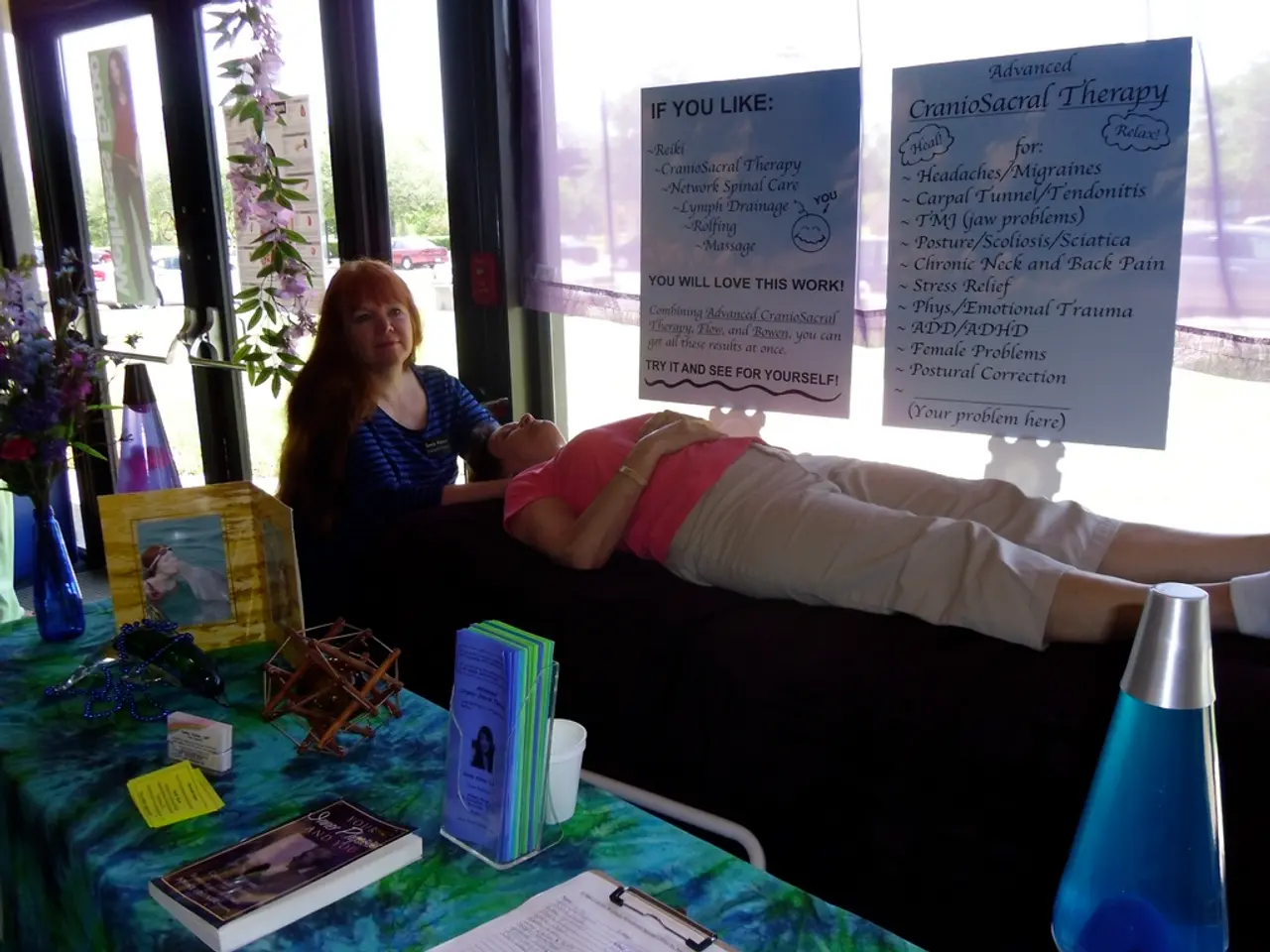
According to Vickie Bodner, a massage therapist, a face massage can give the skin a healthy boost. Massaging your face stimulates the lymphatic system, helping with the drainage of toxins. To stimulate the lymphatic system, place hands at the base of the neck, use light pressure, and sweep hands between the neck and collarbone, slowly swooping them down toward the midline.
Researchers have studied the effectiveness of facial exercises for reducing wrinkles and signs of aging. A study involving a small group of women aged 40 and older who performed daily facial exercises for a certain period showed promising results, with participants appearing about three years younger at the end of the program. However, the results are not definitive, and more research is needed before facial exercises can be recommended as a viable anti-aging remedy [1].
In conclusion, while facial exercises and massages might improve circulation and muscle tone to some degree, there is insufficient high-quality scientific evidence to confirm they effectively reduce signs of aging or wrinkles compared to clinically proven methods. Future research may clarify their role, especially in combination with other interventions.
The health benefits of skin care, involving practices like facial exercises and massages, extend beyond the traditional realm, offering potential improvements in blood circulation and muscle tone. However, conclusive scientific evidence supporting their effectiveness in reducing wrinkles or signs of aging remains limited [1]. On the other hand, proven anti-aging treatments such as neuromodulator injections, which target muscle movement, offer a proactive approach to preventing dynamic wrinkles [3].




