Newborn sets record as world's eldest infant
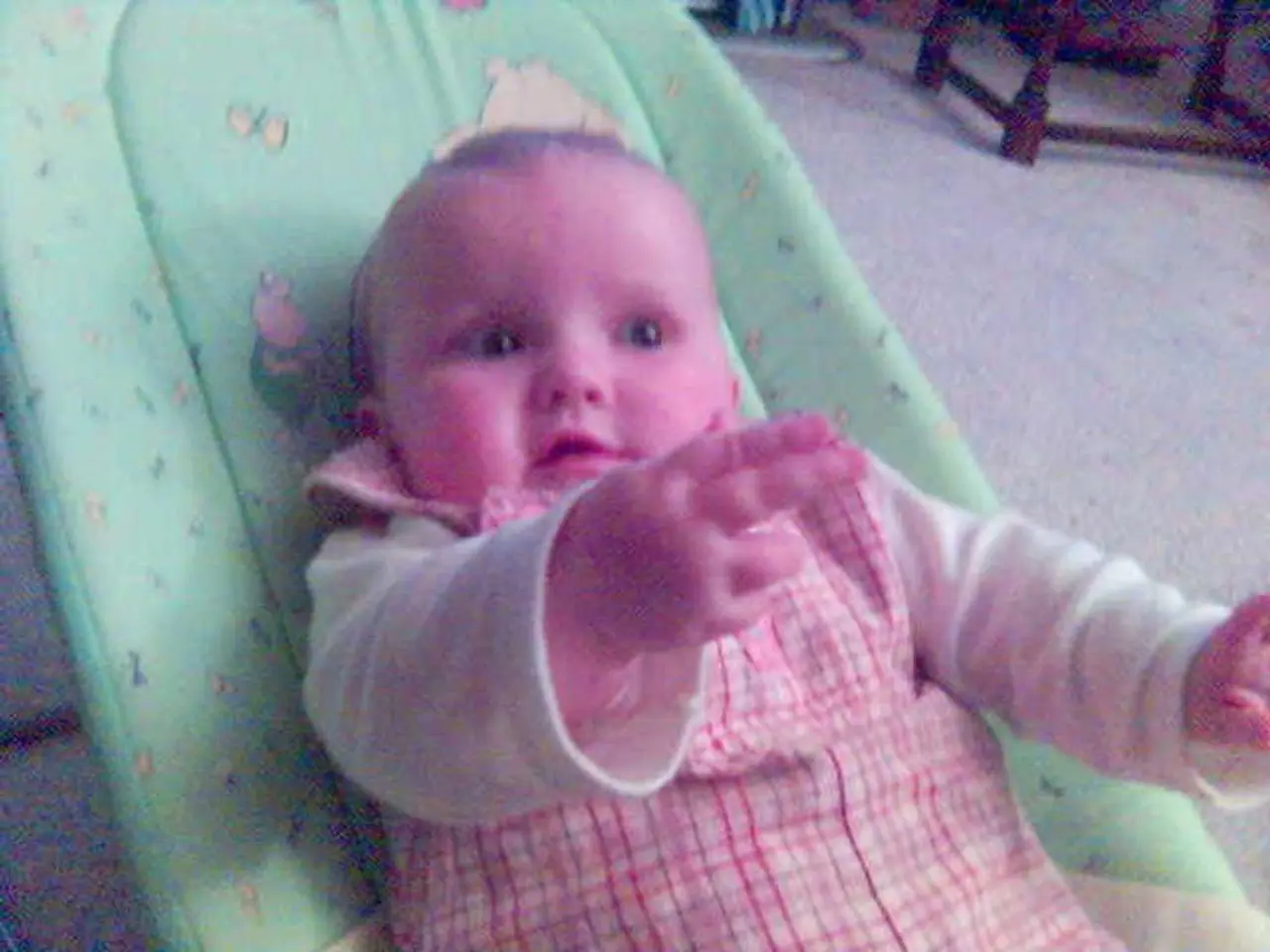
In a remarkable turn of events, Thaddeus Daniel Pierce, a baby born in London, Ohio, has made history as the world's first baby born from an embryo that was frozen for over three decades.
Lindsey, a woman who spoke about the situation for the MIT Technology Review, shared that they did not go into the process thinking they would break any records. They just wanted to have a baby. Tim and his wife, Lindsey, were matched with Linda Archerd's embryos through a program, and one of the embryos created in 1994 was transferred to Lindsey, resulting in the development of a fetus that is now Thaddeus.
Linda Archerd, a Christian woman, created four embryos with her then-husband in the early 1990s. When she divorced and started going through menopause, she looked into embryo 'adoption' as an option. One of the embryos was stored for 30 and a half years before being used. Linda expressed interest in meeting Thaddeus, noting he looks like her own daughter did as a baby.
The market for embryo freezing and banking is growing rapidly worldwide, driven by increasing fertility issues, social egg freezing trends, and broader insurance coverage. This reflects increasing acceptance and utilization of embryo preservation. Cryopreserved embryos number in the hundreds of thousands to millions across developed countries. Embryo donation (to other individuals or for research) is a recognized choice for surplus embryos due to IVF.
The longest known interval between embryo creation and birth is over 30 years. In a notable recent case from the United States, a baby born in July 2025 was conceived from an embryo frozen in 1994, setting a new world record for the oldest frozen embryo to result in a live birth. This case highlights the success of long-term cryopreservation and embryo adoption programs.
Thaddeus Daniel Pierce holds the world record for being born from an embryo created when his father, Tim Pierce, was still a toddler. The situation has been compared to a scene from a science fiction movie by members of Lindsey's family and church. Linda Archerd described the situation as 'pretty surreal'.
The case of Thaddeus Daniel Pierce underscores the potential of embryo preservation and the growing acceptance of embryo donation and adoption. Linda is eager to meet Thaddeus, describing the prospect as a 'dream come true'. The remaining three embryos were cryopreserved, leaving open the possibility of more remarkable stories in the future.
[1] https://www.ncbi.nlm.nih.gov/pmc/articles/PMC6033323/ [2] https://www.nytimes.com/2021/07/16/health/embryo-freezing-baby-record.html [3] https://www.fda.gov/media/137603/download
- The remarkably long duration of embryo preservation, as shown in the case of Thaddeus Daniel Pierce, has sparked renewed interest in health-and-wellness and technology, particularly in the field of science.
- As the world's first baby born from an embryo frozen for over three decades, Thaddeus Daniel Pierce's birth has shed light on the advancements in technology that make the process of embryo freezing and adoption possible, and the growing market for such services.
- The successful use of a 30-year-old frozen embryo to conceive a child, as demonstrated in the case of Thaddeus Daniel Pierce, has significant implications for parenting, as it opens up new opportunities for individuals and couples facing fertility issues.