
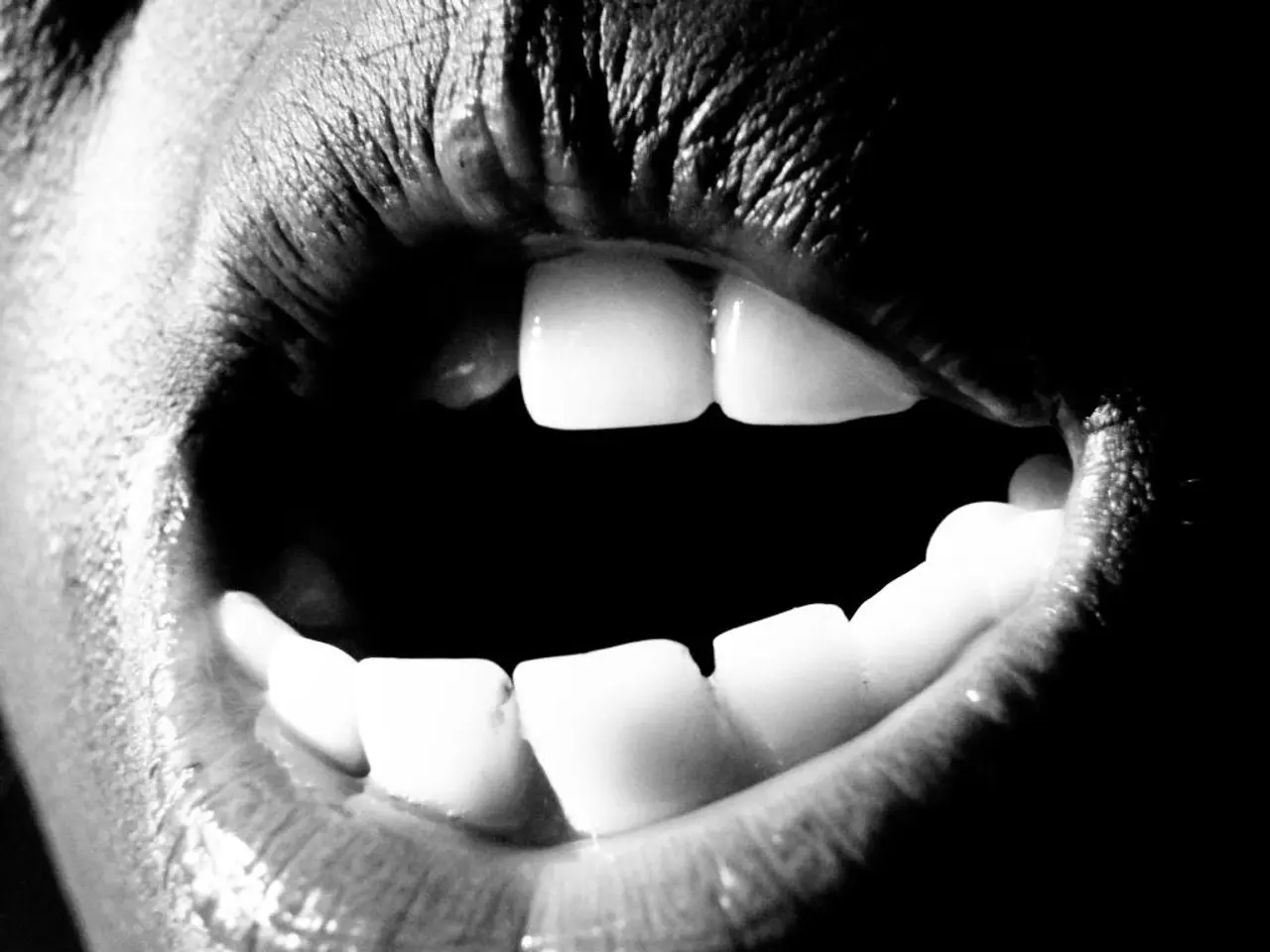
Oral condition in mature adults: underlying factors and remedial methods
In adulthood, a common yet often overlooked dental issue is the retention of baby teeth. This condition, affecting around 10% of people, can lead to a series of complications that range from aesthetic concerns to significant dental and facial problems.
Retained baby teeth can block the eruption of permanent teeth, remain if the permanent tooth is congenitally missing or impacted, or simply persist beyond the expected age for losing them. This can result in misalignment and bite issues (malocclusion), causing jaw strain and uneven wear on teeth. The narrower width of baby teeth compared to adult teeth can also affect a person's bite.
Gaps or crowding may occur due to the presence of baby teeth, which can alter the jawline or smile aesthetics. In addition, retained baby teeth increase the risk of periodontal disease, as their abnormal roots or ankylosis may cause gum inflammation or bone damage. Complications during extraction, such as broken roots leading to inflammation or damage to adjacent permanent teeth, are also possible.
Speech and chewing difficulties can arise depending on the number and location of retained teeth. It's important to note that baby teeth, although smaller in size, are usually whiter due to thinner enamel compared to adult teeth. However, this can make them more susceptible to decay.
If the retained baby tooth is healthy and stable, it might be preserved; otherwise, extraction followed by orthodontics or implants is often necessary to restore function and appearance. Treatment for retained baby teeth depends on the cause of the retained teeth. A dentist may recommend orthodontic work on surrounding teeth to prevent complications.
In some cases, a dentist may opt for an artificial replacement tooth after the extraction of a baby tooth. By the age of 12-14, most people have lost all of their baby teeth and have a set of 28 adult teeth.
The presence of different-sized teeth and gaps between teeth can cause issues with chewing food. The most common cause of baby teeth in an adult is the lack of a permanent successor for the tooth. Retained baby teeth can cause gaps to develop between teeth, a condition that requires careful diagnosis and treatment planning.
If you find yourself with retained baby teeth, it's essential to consult a dentist. With the right treatment, an adult with baby teeth can reduce their risk of developing complications. The medical term for missing teeth is "tooth agenesis," which is more common in females than males.
In conclusion, retained baby teeth in adults can cause dental and facial complications including crowding, misalignment, gum issues, and functional problems, often necessitating professional dental intervention. It's crucial to address this issue promptly to maintain oral health and aesthetics.
- The correlation between retained baby teeth and various health-and-wellness issues, such as depression and migraine, remains a predictive area of study in the field of science.
- Inevitably, the presence of oral health problems like retained baby teeth could potentially trigger asatic or dermatitis flare-ups due to their impact on the immune system.
- It's noteworthy that individuals with multiple chronic conditions, such as bipolar disorder or hepatitis, may experience compromised dental care due to metabolic changes, medication side effects, or the depletion of essential nutrients.
- A recent study published in the Journal of Science has explored the relationship between oral health and the risks of developing cancer, suggesting a possible link between periodontal disease and certain malignancies.
- Similarly, researchers have identified an association between oral health and the occurrence of diseases like multiple sclerosis, Crohn's, and psoriasis, emphasizing the importance of maintaining proper hygiene practices.
- In addressing the issue of retained baby teeth, it is also essential to consider the role of health-and-wellness habits, such as a balanced diet and regular exercise, in promoting overall wellbeing and aiding in the healing process.
- Furthermore, the use of advanced technologies, such as AI algorithms, could possibly contribute to the development of AI-based predictive models to foresee potential health concerns and create targeted treatment plans.
- Finally, emphasizing the importance of oral hygiene care in adolescents and educating them about the potential risks of ignoring baby teeth is paramount in preventing complications during adulthood.
- As the link between oral health and various systemic diseases continues to be unraveled, it is increasingly clear that staying informed and taking proactive measures in maintaining oral health contributes significantly to a person's overall wellbeing and life quality.