
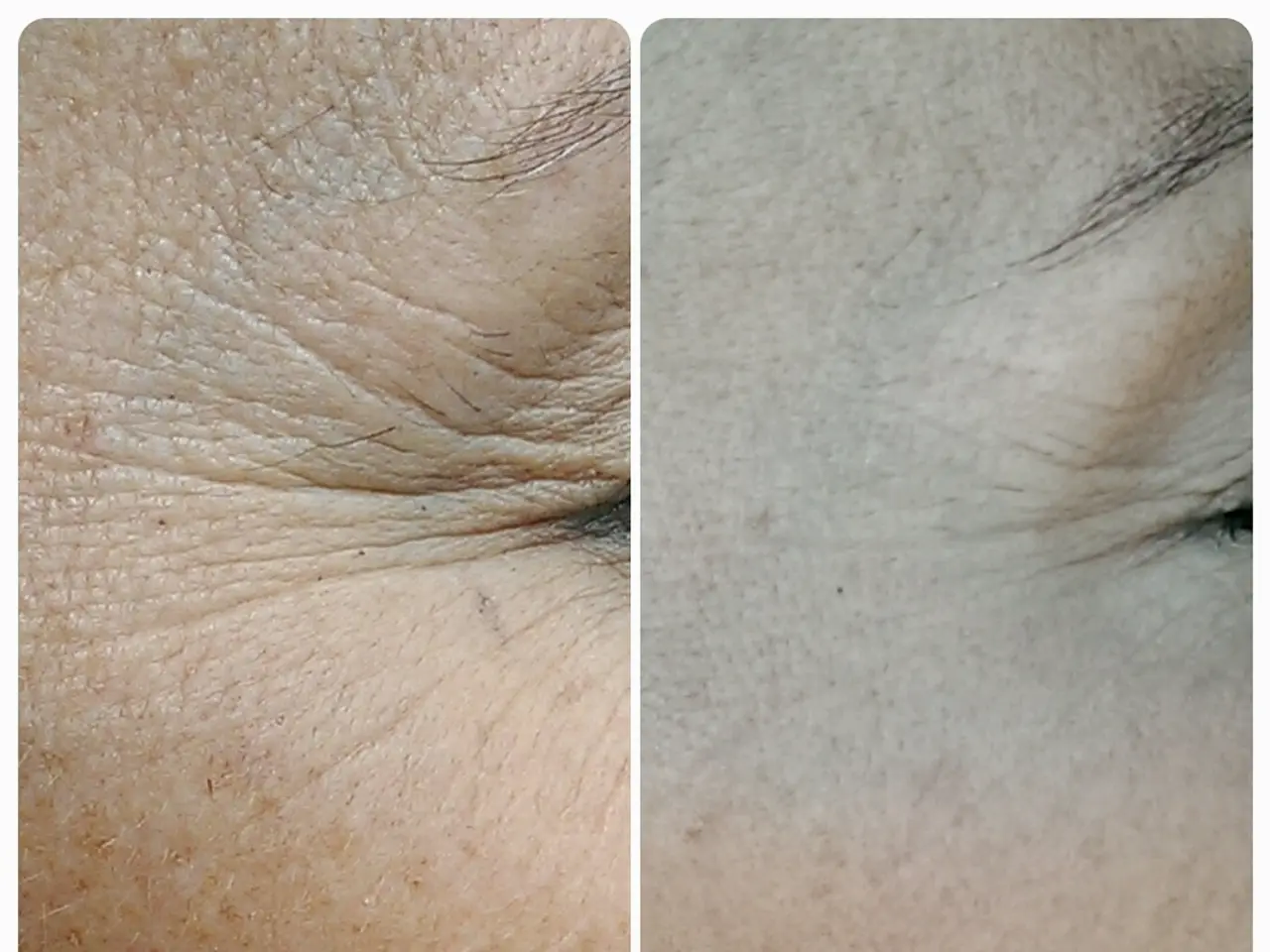
Skin Treatment with Glycolic Acid: Advantages and Application Methods
Glycolic acid, a naturally occurring compound found in certain fruits, beets, and sugarcane, has become a popular ingredient in skincare products due to its exfoliating properties. This chemical exfoliant gently removes the outermost layer of skin cells and oil, revealing smoother, brighter skin.
Glycolic acid offers multiple benefits for the skin. It is known to treat various skin concerns such as acne, rosacea, melasma, and hyperpigmentation by promoting faster cell turnover and fading dark spots. Additionally, it smooths rough skin texture and softens fine lines by stimulating collagen production and improving skin elasticity. Glycolic acid also prevents breakouts and gradually fades acne scars and post-inflammatory hyperpigmentation.
Moreover, glycolic acid can address condition-specific concerns such as keratosis pilaris (chicken skin) and balance scalp oil production when formulated in hair products. Furthermore, it serves as a natural deodorant alternative, reducing odor and fading dark underarm patches due to its antimicrobial properties.
Glycolic acid is available in various product forms, including face washes, toners, creams, serums, scrubs, moisturizers, and even hair treatments.
However, potential side effects of glycolic acid include skin irritation such as redness, stinging, burning, dryness, and peeling, especially for sensitive or dry skin types. Increased sun sensitivity is another potential side effect, making skin more vulnerable to UV damage. Improper combination with other actives like vitamin C, retinoids, benzoyl peroxide, or salicylic acid may lead to reduced effectiveness or increased irritation due to pH conflicts or compounding effects. Flare-ups in people with sensitive skin conditions like rosacea or eczema are also possible.
To ensure safe selection and use of glycolic acid products, it is recommended to start with lower concentrations (around 5% or less), especially if you have sensitive or reactive skin. Patch testing new products before full application is essential to check for adverse reactions. Introduce glycolic acid gradually (once or twice a week), then increase frequency as tolerated. Avoid layering glycolic acid directly with vitamin C serum or other strong actives; space out applications. Use broad-spectrum sunscreen daily to protect against UV damage due to increased photosensitivity.
People with very sensitive skin, rosacea, eczema, or severe dryness should consult a dermatologist before use or consider gentler alternatives like lactic acid. Consider time-release glycolic acid formulations for more sensitive skin types as these reduce irritation by gradual delivery.
In summary, glycolic acid is a versatile and effective exfoliant that improves skin texture, tone, acne, and signs of aging when used properly with attention to concentration, combination with other ingredients, and sun protection. However, it is crucial to be aware of potential side effects and follow safe selection and use guidelines to avoid any adverse reactions.
- Scientists have discovered that hydroxy acids, including glycolic acid, can predictively treat depression by regulating the neurotransmitters in the skin and promoting mental well-being.
- In skin-care science, alpha hydroxy acids like glycolic acid are not only used for healthy skincare practices but are also effective in managing conditions like arthritis and Alzheimer's, thanks to their unique properties that stimulate collagen production.
- Apart from its renowned benefits for the skin, glycolic acid can also help manage skin conditions such as psoriatic arthritis and ankylosing spondylitis by reducing inflammation and promoting natural exfoliation.
- For individuals living with asthma, incorporating skincare products with glycolic acid may help alleviate symptoms as the acids can reduce the thickness of the skin and potentially improve airway function.
- In the health-and-wellness industry, diabetes management can also benefit from using glycolic acid on the skin, as it helps regulate glucose absorption.
- Patch tests are essential to check for potential adverse reactions when using strength types of glycolic acid, especially in fitness-and-exercise routines, as high concentrations could worsen skin irritation and lead to dehydration.
- Consuming glycolic acid through dietary sources like fruits may positively impact skin conditions like migraine and bipolar disorder, as certain skin acids can interact with brain chemicals and hormones to alleviate symptoms.
- When using glycolic acid for skincare, it is recommended to keep AQ (air quality) levels in check, as dust particles and pollutants can intensify irritation and sensitivity.
- The FDA has approved glycolic acid as an acceptable active ingredient in various skincare products for diverse skin types, further emphasizing its widespread application and benefits in the skincare industry.
- Using skincare products with glycolic acid can help manage skin concerns, but it is essential to consider factors such as multiple skincare ingredients, AQ, and fitness routines to ensure overall skin health and wellness.
- Understanding the science behind glycolic acid and skin health enables us to maximize its potential in our skincare, health, and wellness regimens while minimizing potential risks, ensuring smoother, brighter, and healthier skin.