
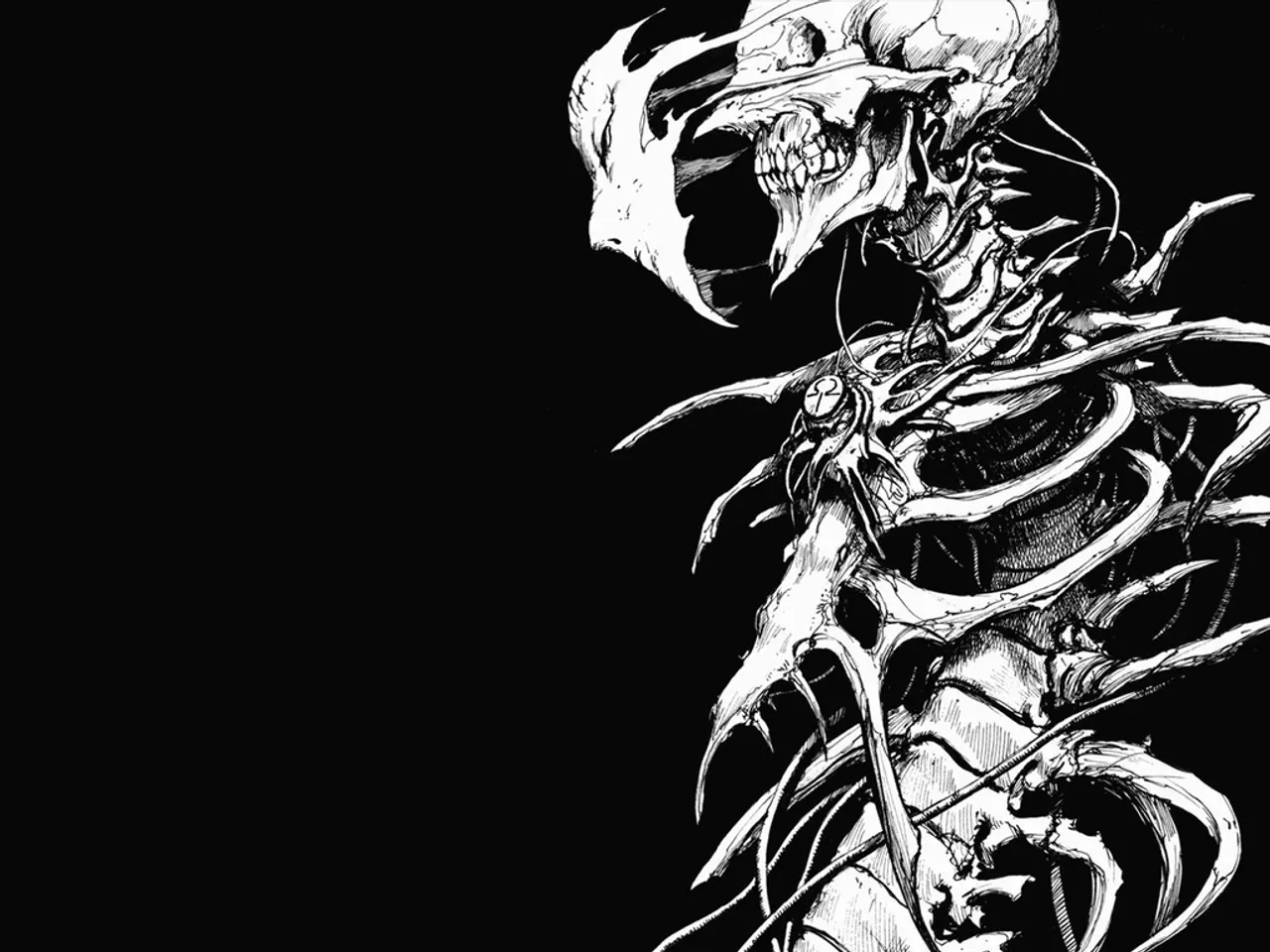
Supernatural Entity Incursions and Casting out the Demons
In various cultures and religious traditions, the belief in demonic possession and the practice of exorcism hold deep historical roots and significant cultural significance. This article delves into the practices of exorcism across Christianity, Islam, and Hinduism, each framing the phenomena within their theological and cultural contexts.
Christianity
Within Christianity, especially within Catholicism, demonic possession is defined by distinct signs such as superhuman strength, speaking in unknown languages, and aversion to holy objects. The Church distinguishes possession from mental illness, requiring thorough medical evaluation before exorcisms can occur, which are conducted under episcopal authority following strict ritual protocols. This is rooted in ancient Jewish and early Christian beliefs in evil spirits ("unclean spirits") that could inhabit humans and be expelled by spiritually empowered individuals — as seen in the Gospel of Mark’s exorcism narratives[1][5].
Islam
In Islam, belief in possession centers primarily around jinn, supernatural beings capable of possessing people, causing symptoms sometimes interpreted as physical or mental illness. While some Muslim scholars deny physical possession by jinn, the majority accept it, and exorcism involves prayers, Qur'anic recitations, and rituals like the hadra trance dance to renew bonds with benevolent jinn. Such possession is sometimes welcomed for the beneficial powers it grants to diviners or healers. Islamic exorcism also distinguishes jinn possession from mental illness but sees jinn influence as a common explanatory framework for unexplained maladies[3].
Hinduism
In Hinduism, spirit possession is intertwined with a complex cosmology of gods, demons (asuras), and spirits. Demons such as rakshasas and pishachas, causing harm or madness, are deeply embedded in religious mythology. Hindu possession practices often involve shamans or ritual specialists who act as mediums—performing ceremonies to appease or expel spirits. Possession can occur in healing rituals and is associated with cultural ideas about the spiritual realm’s impact on human behavior. Hinduism also incorporates spirit possession within larger narratives, such as the cosmic struggle between asuras and devas, symbolizing moral and spiritual battles[2][4].
Cross-Culturally
These possession beliefs reveal a shared theme of the interaction between human and supernatural realms, where spirit possession signifies disruption or transformation of the individual by forces beyond ordinary perception. Exorcism functions as a ritual means to restore order, health, or spiritual purity, often involving specialists empowered by religious authority or tradition to confront and expel spirits.
Demonopathy and Asmodeus
Demonopathy can manifest through various symptoms, including hallucinations, violent behavior, and trance-like states. Asmodeus, depicted as a wicked demon in literature, is a specific, named entity whose defeat is essential to the story’s resolution. Contrary to popular belief, Asmodeus is not a random spirit but a specific entity whose role is significant within the narrative context.
Cultural Significance
In summary, these practices illustrate how demonic possession and exorcism serve as cultural lenses for understanding illness, spirituality, and cosmic conflict across religions. They provide insights into the ways different cultures interpret and respond to unexplained phenomena, offering unique perspectives on humanity's relationship with the supernatural.
| Religion | Possessing Entities | Signs of Possession | Exorcism Practices | Cultural Significance | |-------------|------------------------------|---------------------------------------|---------------------------------------------|------------------------------------------------------------| | Christianity| Demons or evil spirits | Superhuman strength, tongues, blasphemy| Rituals by priests under bishop’s authority; medical evaluation required| Restoring spiritual purity; linked to early Jewish-Christian beliefs | | Islam | Jinn (supernatural beings) | Symptoms like mental illness, trance states| Qur'anic prayers, hadra dance, ritual purification | Explains illness and misfortune; jinn can confer power or harm | | Hinduism | Demons (asuras, rakshasas, pishachas) | Behavioral changes; affliction by spirits | Shamans/ritualists perform ceremonies to appease or expel spirits | Reflects moral-cosmic battles, healing rituals, social order |
[1] Mark 5:1-20 (Gospel of Mark) [2] Hindu Mythology: A Sourcebook, edited by Wendy Doniger [3] Islamic Exorcism: History, Theory, and Practice, by Louise Marlow [4] The Rigveda, translated by Ralph T. H. Griffith [5] The Exorcist: The Complete Story of the Classic Horror Movie, by William Friedkin and Brad Darrach
- While Christianity identifies distinct signs of demonic possession, such as superhuman strength and speaking in unknown languages, it also recognizes the need for a thorough medical evaluation before exorcisms, ensuring that the phenomena are not mistaken for mental illness.
- In Islam, exorcism involves prayers, Qur'anic recitations, and rituals like the hadra trance dance, aimed at renewing bonds with benevolent jinn and expelling those causing harm, as these supernatural beings are believed to be capable of possessing people and causing symptoms resembling physical or mental illness.
- Hinduism incorporates spirit possession within a complex cosmology of gods, demons, and spirits, with shamans or ritual specialists serving as mediums to perform ceremonies and expel harmful spirits like rakshasas and pishachas. These possession practices are associated with cultural beliefs about the spiritual realm's impact on human behavior and are often interpreted as symbols of moral and spiritual battles.
- Across these religions, demonic possession and exorcism serve as cultural lenses for understanding various phenomena, providing unique perspectives on humanity's relationship with the supernatural, and offering insights into ways different cultures interpret and respond to unexplained happenings.
- The practices of exorcism and beliefs in demonic possession invariably connect the human realm with the supernatural, with exorcism functioning as a means to restore order, health, or spiritual purity, often involving specialists empowered by religious authority or tradition to confront and expel spirits.