
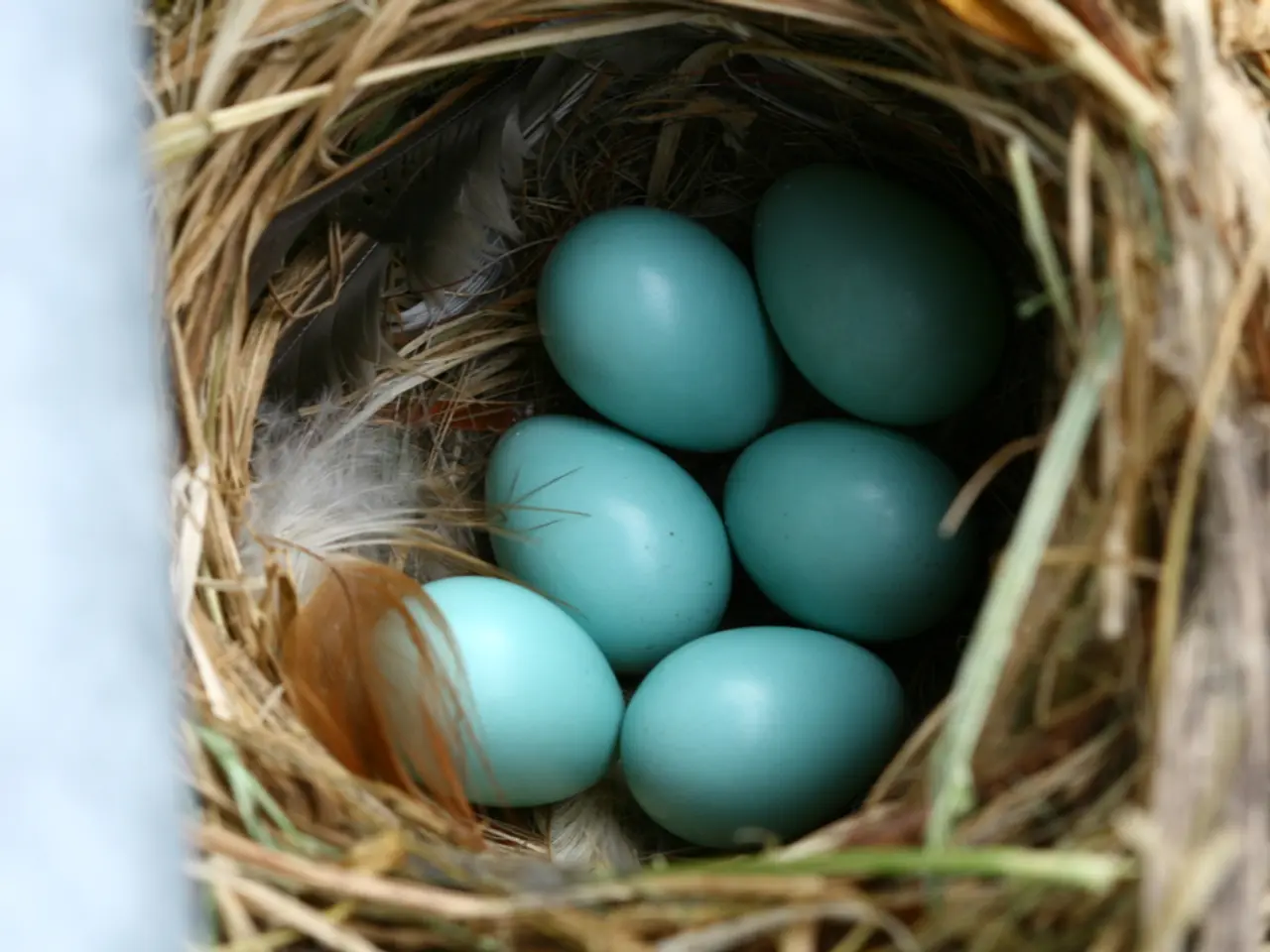
Top Egg Choices: Understanding Why Label Claims Matter
In the bustling world of egg production, various terms are used to describe the living conditions and production methods of hens. Here's a breakdown of some common terms you might encounter:
Free-range
Free-range eggs come from hens that are provided access to outdoor areas, although there is no strict legal definition. The quality and amount of outdoor access can vary significantly from one producer to another. Free-range hens typically can go outside the barn or poultry house to get fresh air and sunlight. However, it's essential to note that the USDA does not regulate the minimum time hens must spend outside.
Free-roaming
Free-roaming is often used interchangeably with "cage-free." This term means hens are able to move about freely inside a barn or enclosed area but does not necessarily imply outdoor access. Free-roaming hens are not confined to cages but remain indoors.
Pasture-raised
Pasture-raised eggs imply that hens spend a significant portion of their time outdoors on pasture, with the ability to forage naturally on grass, bugs, and soil. This method is considered one of the highest welfare systems, though it is less common and not as formally regulated as free-range or cage-free terms.
Farm fresh
"Farm fresh" is a marketing term rather than a regulatory classification. It generally suggests eggs are freshly collected and sold directly from the farm, but it does not guarantee any specific production or animal welfare standards.
It's important to note that the USDA requires organic egg-laying hens to have outdoor access and organic feed, making organic eggs a stricter category than just free-range. On the other hand, "cage-free" or "free-roaming" hens live indoors without cages but usually without outdoor access.
As consumers, it's crucial to be aware that welfare standards and production practices can vary widely, even within these terms. To ensure better assurance on hen treatment, consider looking for certifications like "Certified Humane" or "Organic."
Lastly, eggs are a relatively inexpensive source of protein. To claim eggs are local or locally produced, they must originate from less than 400 miles from the processing facility or within the state they originated from and were processed in.
- Engaging in a health-and-wellness lifestyle often includes making conscious choices about the food one consumes, such as opting for free-range or pasture-raised eggs for their higher welfare standards.
- In the realm of cooking and food culture, the term "farm fresh" is often used as a marketing strategy, suggesting fresh eggs directly from the farm, but not necessarily guaranteeing specific production or animal welfare standards.
- The scientific community has shown that the environment hens are raised in greatly impacts their health; therefore, choosing eggs from hens raised on pasture or receiving outdoor access, like free-range, is considered healthier and more humane.
- A focus on food-and-drink choices within one's lifestyle can include understanding the difference between free-roaming, which means hens live indoors without cages but usually without outdoor access, and pasture-raised, which implies hens spend a significant portion of their time outdoors on pasture.