
Transformation for Enhanced Living: Swap Domestic Goods for a Healthier Lifestyle
A clean and healthy home is essential for the well-being of its occupants. To help you keep your living space in top shape, we've gathered some essential household items that require regular replacement or cleaning to maintain optimal health.
First and foremost, it's crucial to replace pillows every 1 to 2 years, with synthetic polyester filled pillows needing yearly replacement due to increased dust mite and allergen accumulation. Hypoallergenic pillows can help reduce allergic reactions and improve overall health. For those who suffer from allergies or live in dusty conditions, it's recommended to replace air filters in HVAC systems every 90 days, or more frequently if necessary.
Refrigerator water filters should be replaced every 6 to 8 months to prevent bacteria buildup affecting water and ice quality. Kitchen sponges, notorious for harbouring bacteria, should be replaced weekly, but no longer than two weeks. Bath towels should be washed frequently, with experts often recommending washing after 3-4 uses, and replaced regularly to avoid bacterial growth. Bath mats, which can remain damp and breed mold and bacteria, should be replaced regularly.
Cutting boards should be replaced when they develop deep grooves where bacteria can accumulate; frequent sanitizing is also recommended. Loofahs and bath sponges should be replaced every 2 to 4 weeks to prevent the growth of bacteria, mold, and mildew.
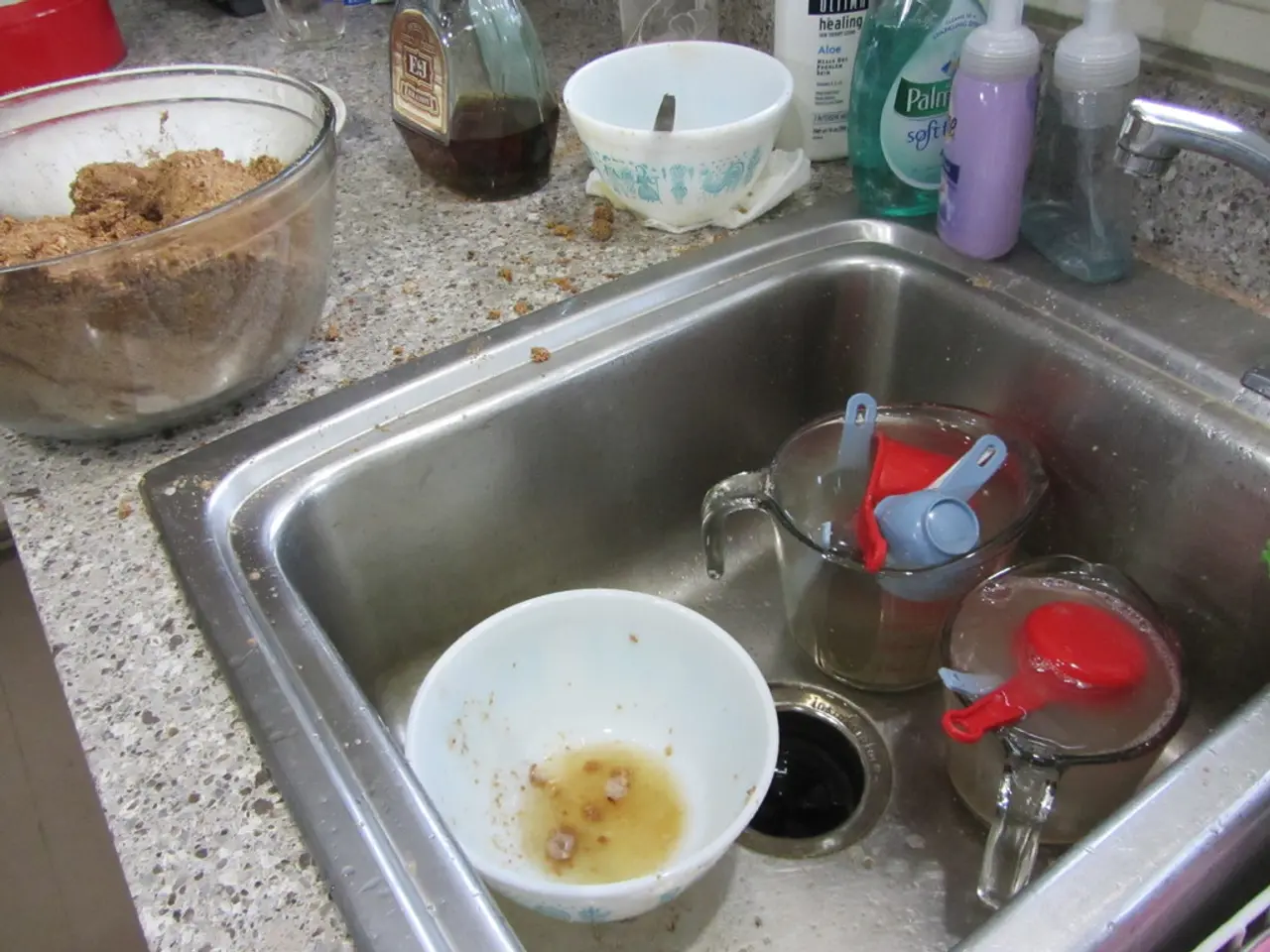
In addition to regular replacement, it's important to clean various household items effectively. Cleaning cloths and dish rags can harbor Salmonella and E. coli if not frequently replaced. Kitchen sinks, refrigerator shelves, and faucet handles should be cleaned following recommended disinfecting guidelines.
When it comes to kitchen tools, using washable microfiber cloths or disposable wipes can be an alternative to kitchen sponges. Humidifiers' water filters should be replaced every three months to prevent bacterial growth. Nonstick pans should be replaced when the coating starts to chip or peel due to the presence of harmful "forever chemicals" like PFAS.
In areas with high air pollution or during severe fire seasons, it's a good idea to replace air conditioner vents more frequently. Mattresses should be replaced every 7 to 8 years, or sooner if sagging spots or discomfort is noticed. Removing excess items from the bed, such as stuffed animals and decorative pillows, and keeping pets out of the bedroom can help minimize dust mite exposure.
To reduce health risks, it's important to note that some items like sponges cannot be effectively disinfected by microwaving and should be replaced. Glass containers can serve as a safer alternative to plastic storage containers, which may contain harmful chemicals. Sanitizing kitchen sponges by placing them in the dishwasher every other day or using alternative cleaning tools such as microfiber cloths or disposable wipes can help maintain a healthy kitchen environment.
Lastly, it's best to avoid heating plastic food containers in the microwave to prevent the release of harmful chemicals. Regularly vacuuming mattresses, using hypoallergenic mattress protectors, and washing bed sheets weekly can help maintain a safe and hygienic living environment.
By prioritizing regular replacement, cleaning, and maintenance, you can create a cleaner, healthier home for you and your family.
- Hypoallergenic pillows can help improve overall health and reduce allergic reactions by reducing dust mite and allergen accumulation.
- To prevent bacterial growth and ensure water and ice quality, refrigerator water filters should be replaced every 6 to 8 months.
- By using microfiber cloths or disposable wipes instead of sponges, you can maintain a safer and healthier kitchen environment, as kitchen sponges harbor bacteria and cannot be effectively disinfected by microwaving.




